The kitchen range hood is often viewed as a glamorous piece of kitchen décor, a gleaming monument to culinary prowess. But beneath the stylish facade lies a hardworking, grease-trapping machine. If you regularly cook—especially if you sauté, sear, or stir-fry—your range hood filter is doing heavy lifting, capturing not just smoke, but rangehood cleaning CBD a sticky, combustible blend of oils and particulates. Neglecting this vital component is like ignoring a ticking time bomb wrapped in mesh. Fortunately, mastering proper range hood filter cleaning techniques is not rocket science; it's simply about giving your ventilation system the attention it deserves. This comprehensive guide will walk you through everything from the basic soaking methods to advanced maintenance tips, ensuring your kitchen stays fresh, efficient, and, most importantly, safe.
Understanding the Crucial Role of Filtration
Before we dive into scrubbing brushes and soaking tubs, it's critical to understand why this maintenance is non-negotiable. A dirty filter is not merely an aesthetic problem; it is a functional and, potentially, a fire safety hazard.
The Dangers of Neglect
When grease builds up on the filter media, it acts like tinder waiting for a spark. Over time, the accumulated oils can coat surrounding electrical components, dramatically increasing the risk of an electrical fire. Furthermore, a clogged filter severely restricts airflow. If the hood cannot pull air effectively, you lose the ability to remove odors, moisture, and smoke, making your cooking experience less pleasant and your air quality significantly worse.
Consider this: "A clean filter is the difference between a perfectly scented meal and a smoky, greasy kitchen nightmare." That difference is worth knowing.

Knowing Your Filter Landscape
Not all filters are created equal. Understanding the type you have is the first step in applying the correct range hood filter cleaning techniques.

- Metal Mesh Filters: These are typically rigid, durable, and designed to catch larger particles. They are the most common type and are excellent at capturing visible grease buildup. Baffle Filters: These are often constructed with pleated metal sections that create a series of baffles. They offer a large surface area for filtration and are highly effective at trapping grease. Charcoal Filters (If applicable): Some hoods use replaceable charcoal filters to manage odors. These are usually disposed of rather than cleaned, as the activated carbon loses its efficacy over time.
Proven Methods for Deep Cleaning Your Filters
Fortunately, the process of cleaning is surprisingly straightforward, provided you use the right materials and approach. The key to effective cleaning is breaking down the polymerized grease—that nasty, semi-solid goo that seems to bond with the metal.
The Power of Soaking: The Gentle Approach
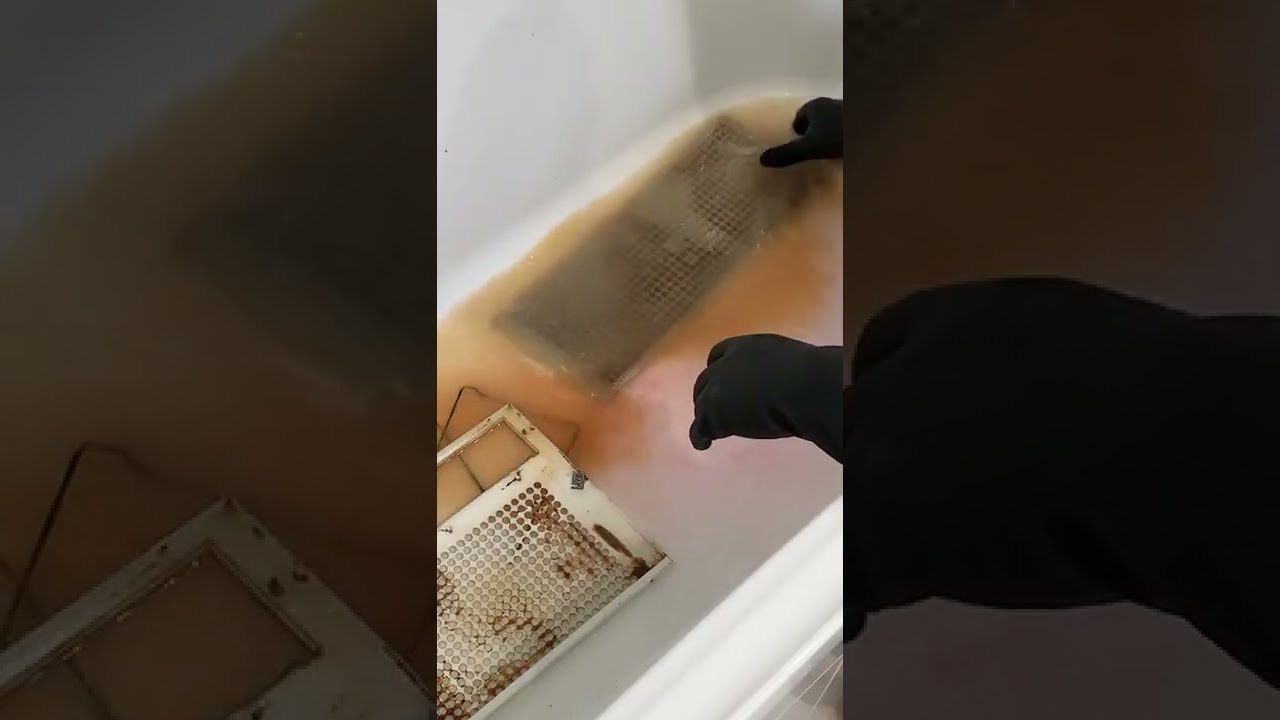
For most standard metal and baffle filters, soaking is the safest and most effective starting point. This method allows the chemical action of the cleaning agents to do the heavy lifting.
Preparation: Remove the filters and place them in a large utility sink or tub. The Solution: Fill the basin with very hot water (the hotter, the better, but don't use boiling). Add a strong degreaser or a dedicated commercial filter cleaner. A cup of oxygen bleach or a high-quality dish soap can also work wonders. Soaking Time: Allow the filters to soak for at least 30 minutes, or up to a few hours if the grease buildup is severe. The grease should begin to soften and lift away from the metal. Scrubbing: Once softened, use a non-abrasive brush (an old toothbrush or scrub brush works well) and warm water to scrub away the remaining grime.Advanced Techniques for Stubborn Grime
If soaking doesn't do the trick, you might need to escalate your cleaning regimen. This is where specialized tools come into play.
- Commercial Degreasers: For extremely heavy build-up, a commercial-grade degreaser designed for kitchen appliances is ideal. Always follow the manufacturer's safety instructions and ensure proper ventilation. The Scraping Method: If grease has hardened onto the filter structure, gently use a plastic scraper or a wooden spatula to lift off the thickest deposits before soaking. This prevents the degreaser from being overwhelmed by solid buildup.
Anecdote: I once had a client whose hood filters were so coated in grease they had turned a deep, ominous black. They were convinced they needed a professional service. After a thorough soaking and scrubbing session using simple dish soap and time, the filters returned to a gleaming silver, proving that sometimes, the best solution is the simplest one.
Sustaining Cleanliness: Long-Term Maintenance
Cleaning is only half the battle; maintaining cleanliness is where the real magic happens. Consistent maintenance ensures that your efforts don't feel like constantly fighting an uphill battle.
Establishing a Cleaning Schedule
The frequency of cleaning depends entirely on your cooking habits. Are you primarily baking (low grease, low heat) or deep-frying and searing (high grease, high heat)?
- Moderate Use: Clean filters every 4 to 6 weeks. Heavy Use (Daily Frying/Searing): Clean filters every 2 to 3 weeks.
Remember, proactive care is always easier than emergency cleaning. As the saying goes, "Prevention is better than cure," and in the case of your kitchen, prevention means consistent filter care.
Troubleshooting Common Issues
- Slightly Yellow/Brown Film: This is often mineral buildup (hard water scale) mixed with light grease. A vinegar soak can help dissolve these deposits. Visible Residue/Smoke: If the filter seems clean but the hood is still smoky, the problem might be the hood's internal ductwork, which may require professional inspection.
Optimizing Your Culinary Environment
Effective range hood filter cleaning techniques are crucial, but they work best when paired with good kitchen habits. Are you running your hood at the correct power setting? Are you boiling pots over the burner, which can create steam and residue that the hood can’t handle?
By mastering these simple yet vital techniques, you are not just scrubbing metal; you are safeguarding your home, improving your air quality, and extending the life of a major appliance. Should you ever doubt your abilities, remember that even a simple soak can work wonders.
Taking the time to clean your filters regularly is a small act of maintenance that yields massive returns in safety and efficiency. By following these guidelines, your kitchen will remain a pleasure to cook in, free from the sticky tyranny of grease buildup.
Making Your Cleaning Routine a Permanent Kitchen Habit
The true measure of care is consistency. By incorporating these deep cleaning methods into your regular kitchen routine, you transform a chore into a habit of culinary stewardship. Start today by inspecting your current filters—are they dull, stiff, or coated in a mysterious, sticky film? If the answer to any of these questions is yes, it's time to wash them. Keep a dedicated cleaning caddy stocked with specialized degreasers and scrub brushes, making the process as routine as washing the dishes. A clean, humming hood is not just a sign of a tidy kitchen; it is a sign of a safe and well-loved home.
HygieneXperts - Commercial & Residential Cleaning Services
12C Tungarra Rd Girraween NSW 2145 Australia,
61498203983